
Best Japanese Phrases for Travel (With FREE Printable)

Travelling in Japan can be an amazing experience. But I’m not gonna lie, we found navigating the language to be a bit intimidating.
Unfortunately, I was not quite organized enough to learn a lot of the language prior to our vacation.
But we found that learning even a few basic Japanese phrases made interactions easier.
Not only that, but it showed locals that at least you’re making an effort to communicate.
We also got some really nice responses from people (especially with the kids) when we attempted to speak Japanese.
Here’s your guide to some of the most common and most useful Japanese phrases that you may want to learn prior to your trip.
Basic Japanese Greetings and Politeness
Unlike some parts of Europe, we found that English isn’t widely spoken in many areas of Japan.
And while you can easily use Google Translate, we preferred to learn at least some basic phrases to help us get around.
The phrases below are a great starting point.

They include helpful greetings, important questions, and polite expressions that can come in handy every day.
We have included the words in English and Japanese, as well as a phonetic pronunciation for each.
📱 Expert Tip: I created a lock screen image for my iPhone with phrases that I knew I would use most often. This can be easily made up in Canva or another similar app.
Good morning
• Ohayou gozaimasu (おはようございます)
• (oh-hah-yoh goh-zah-ee-mahs)
Good evening
• Konbanwa (こんばんは)
• (kohn-bahn-wah)
Hello
• Konnichiwa (こんにちは)
• (koh-nee-chee-wah)
Goodbye
• Sayonara (さようなら)
• (sah-yoh-nah-rah)

Thank you
• Arigatou gozaimasu (ありがとうございます)
• (ah-ree-gah-toh goh-zah-ee-mahs)
You’re welcome
• Dou itashimashite (どういたしまして)
• (doh ee-tah-shee-mah-shi-teh)
Please
• Onegaishimasu (お願いします)
• (oh-neh-gah-ee-shee-mahs)
Excuse me (attention)
• Sumimasen (すみません)
• (soo-mee-mah-sen)
I’m sorry
• Gomen nasai (ごめんなさい)
• (goh-men nah-sah-ee)

Useful Phrases for Getting Around Japan
Some cities and towns in Japan, especially older ones, can feel like a maze of winding streets and hidden paths.
In fact, did you know that house numbers and street signs are hard to come by in Japan?
They rely heavily on geographic areas and subdivisions instead of street names and numbers, so navigating unfamiliar areas can be difficult.
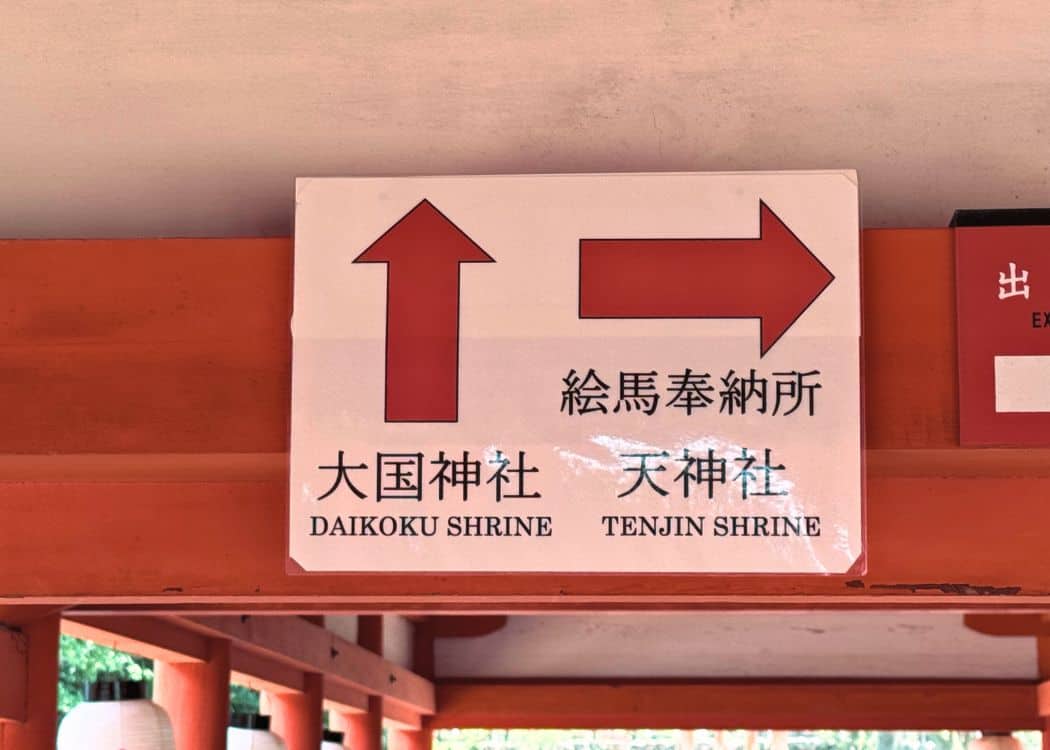
If your phone signal cuts out or your map app isn’t helping, you might need to stop and ask someone for directions.
I’ve definitely found myself turned around more than once, especially in the narrow backstreets of Kyoto!
The phrases below will help you find your way and ask for help when you’re feeling lost.
🗾 Expert Tip – Have the business card from your hotel handy. You can show the address to anyone, including cab drivers, if you are trying to find your way back. You can also do this with attraction addresses from Google Maps.

Where is…?
• …wa doko desu ka? (…はどこですか?)
• (wah doh-koh des kah)
How far is it?
• Dono gurai tooku desu ka? (どのくらい遠くですか?)
• (doh-noh goo-rah-ee toh-koo des kah)
Left
• Hidari (左)
• (hee-dah-ree)
Right
• Migi (右)
• (mee-gee)
Straight ahead
• Massugu (まっすぐ)
• (mah-soo-goo)
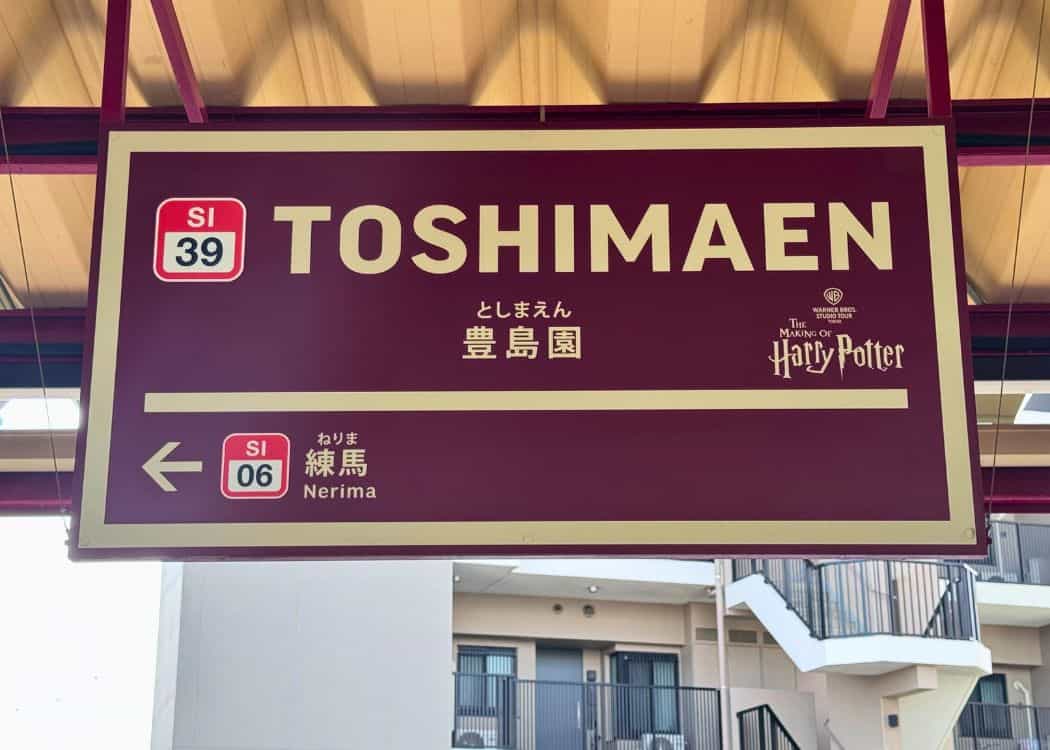
Train station
• Eki (駅)
• (eh-kee)
Subway
• Chikatetsu (地下鉄)
• (chee-kah-teh-tsoo)
Which platform?
• Nanban hoomu desu ka? (何番ホームですか?)
• (nahn-bahn hoh-moo des kah)
Bus stop
• Basutei (バス停)
• (bah-soo-teh-ee)
Taxi stand
• Takushii noriba (タクシー乗り場)
• (tah-koo-shee noh-ree-bah)
How do I get to…?
• … e wa dou ikeba ii desu ka? (…へはどう行けばいいですか?)
• (eh wah doh ee-keh-bah ee des kah)
More Japanese Phrases for Travel
Here are some basic, but important, phrases for when you are out and about in Japan.
We used these quite often!
- Do you speak English?
• Eigo o hanasemasu ka? (英語を話せますか?)
• (eh-ee-goh oh hah-nah-seh-mahs kah) - I don’t understand
• Wakarimasen (わかりません)
• (wah-kah-ree-mah-sen)

- Can you repeat that?
• Mou ichido onegaishimasu (もう一度お願いします)
• (moh ee-chee-doh oh-neh-gah-ee-shee-mahs) - Where is the restroom?
• Toire wa doko desu ka? (トイレはどこですか?)
• (toy-reh wah doh-koh des kah)
Words to Know When Visiting Attractions
Japan is packed with incredible places to see.
From temples and shrines to castles, gardens, and museums, it can be hard to decide where to go first.

These words and phrases are useful when you’re out exploring.
They’ll help you get information, read signs, and make the most of your visit.
- Temple
• Otera (お寺)
• (oh-teh-rah) - Shrine
• Jinja (神社)
• (jin-jah) - Castle
• Shiro (城)
• (shee-roh) - Garden
• Teien (庭園)
• (teh-en) - Museum
• Hakubutsukan (博物館)
• (hah-koo-boo-tsoo-kahn)

- Park
• Kouen (公園)
• (koh-en) - Entrance
• Iriguchi (入口)
• (ee-ree-goo-chee) - Exit
• Deguchi (出口)
• (deh-goo-chee) - Ticket
• Kippu (切符)
• (kee-poo) - Open
• Aiteimasu (開いています)
• (eye-teh-ee-mahss) - Closed
• Shimatteimasu (閉まっています)
• (shee-mah-teh-ee-mahss) - Hours
• Eigyou jikan (営業時間)
• (ay-gyoh jee-kahn)

Japanese Words for Travelling with Kids
If you’re like us and planning to visit Japan with kids, you might find it useful to know some child-related vocabulary.
It’s something most travellers don’t think about-until they’re in another country with a little one who needs a diaper change or wants to find a playground!

While we are waaaay past the diaper years, the following words may help to make your travels with young children a little smoother.
Child
• Kodomo (子供)
• (koh-doh-moh)
Baby
• Akachan (赤ちゃん)
• (ah-kah-chan)
Stroller
• Buggii (バギー)
• (bah-gee)
Playground
• Kouen no asobi ba (公園の遊び場)
• (koh-en noh ah-soh-bee bah)
Diaper
• Omu tsu (おむつ)
• (oh-moo-tsoo)
Toy
• Omocha (おもちゃ)
• (oh-moh-chah)
Lost child
• Maigo (迷子)
• (my-goh)
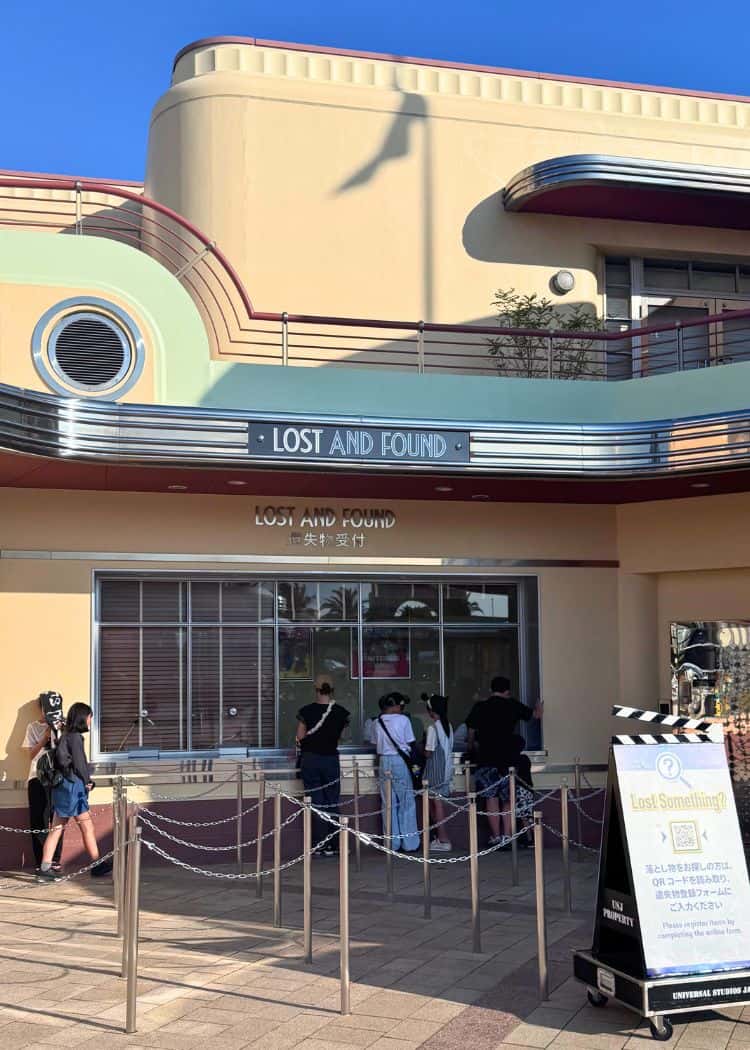
Dining in Japan
Ordering food in Japan is usually simple, especially in bigger cities where restaurants often have picture menus or plastic food displays.
All you have to do is point to what you want to order!
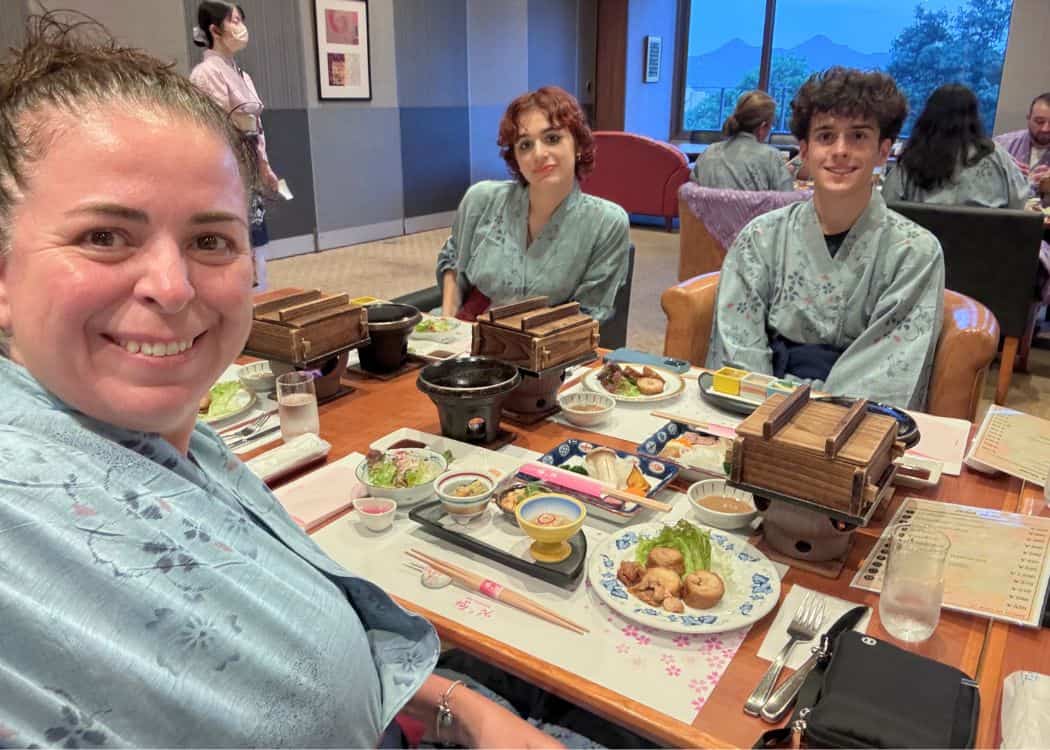
But in smaller towns or places off the beaten path, we found that knowing a few helpful phrases makes the experience smoother and more enjoyable.
If you’re trying something new or have dietary needs, being able to politely ask or point something out can make all the difference.
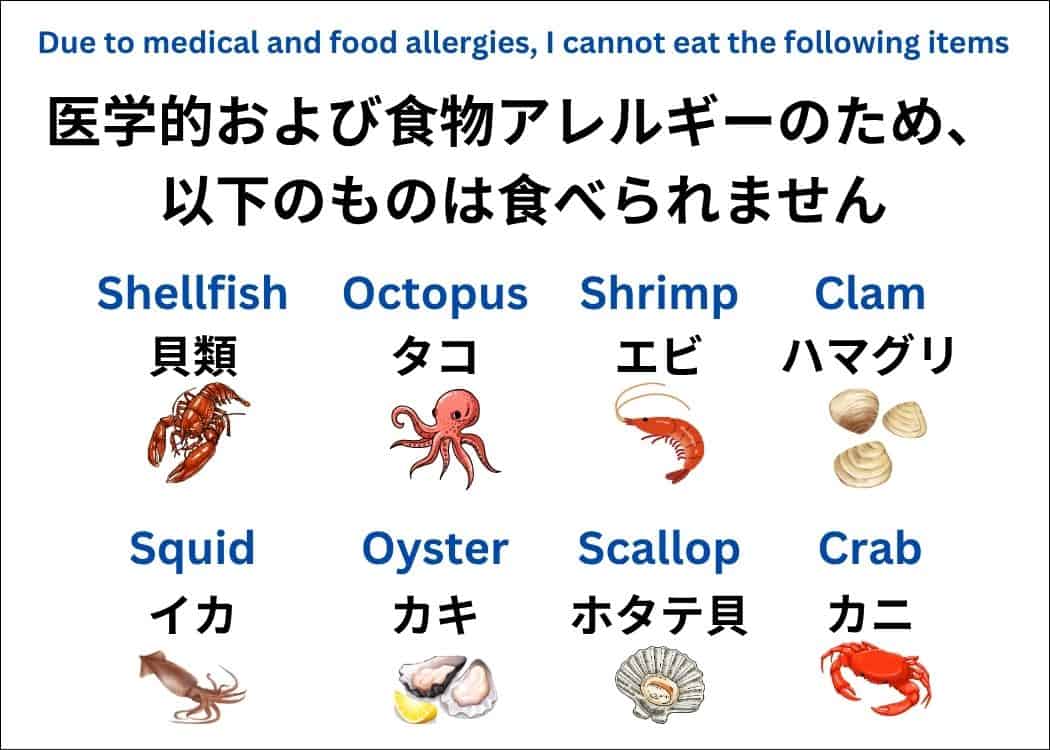
🦀 Expert Tip – When it comes to John’s shellfish allergy, we did not want to take any chances! We created an allergy card in Canva, printed it out, and carried it with us at all times. When it came time to choose a food, we just showed the card to a staff member to verify that what he was ordering was safe.
Table for two, please
• Futari desu, onegaishimasu (二人です、お願いします)
• (foo-tah-ree des, oh-neh-gah-ee-shee-mahs)
Menu, please
• Menyuu o kudasai (メニューをください)
• (meh-nyoo oh koo-dah-sah-ee)
Check, please
• Okaikei onegaishimasu (お会計お願いします)
• (oh-kah-ee-keh oh-neh-gah-ee-shee-mahs)

Delicious!
• Oishii! (美味しい!)
• (oh-ee-shee)
Water, please
• Omizu o kudasai (お水をください)
• (oh-mee-zoo oh koo-dah-sah-ee)
Let’s eat! (Said before eating)
• Itadakimasu (いただきます)
• (ee-tah-dah-kee-mahss)

Shopping Essentials
Japan is an amazing place to shop.
And it doesn’t matter whether you’re browsing high-end fashion in Ginza, picking up souvenirs at a temple market, or exploring quirky finds in Harajuku.
From electronics to stationery, there’s something for everyone.

Let’s just say I had to keep an eye on Hubby more than once. He’s got a real weakness for Japanese gadgets!
This list of phrases will help you get through most shopping situations with confidence.
How much is this?
• Kore wa ikura desu ka? (これはいくらですか?)
• (koh-reh wah ee-koo-rah des kah)
Do you accept credit cards?
• Kurejitto kaado wa tsukaemasu ka? (クレジットカードは使えますか?)
• (koo-reh-jee-toh kah-doh wah tsoo-kah-eh-mahs kah)
Can I have a receipt?
• Reshiito o kudasai (レシートをください)
• (reh-shee-toh oh koo-dah-sah-ee)

Asking for Help in Japan
When you’re in another country, needing help can feel overwhelming, especially if there’s a language barrier.
While we thankfully didn’t encounter any emergency situations, knowing a few key phrases can make a huge difference when things don’t go as planned.

These words are important for situations involving illness, injury, or simply needing urgent help.
- Help!
• Tasukete! (助けて!)
• (tah-soo-keh-teh) - Call the police!
• Keisatsu o yonde kudasai! (警察を呼んでください!)
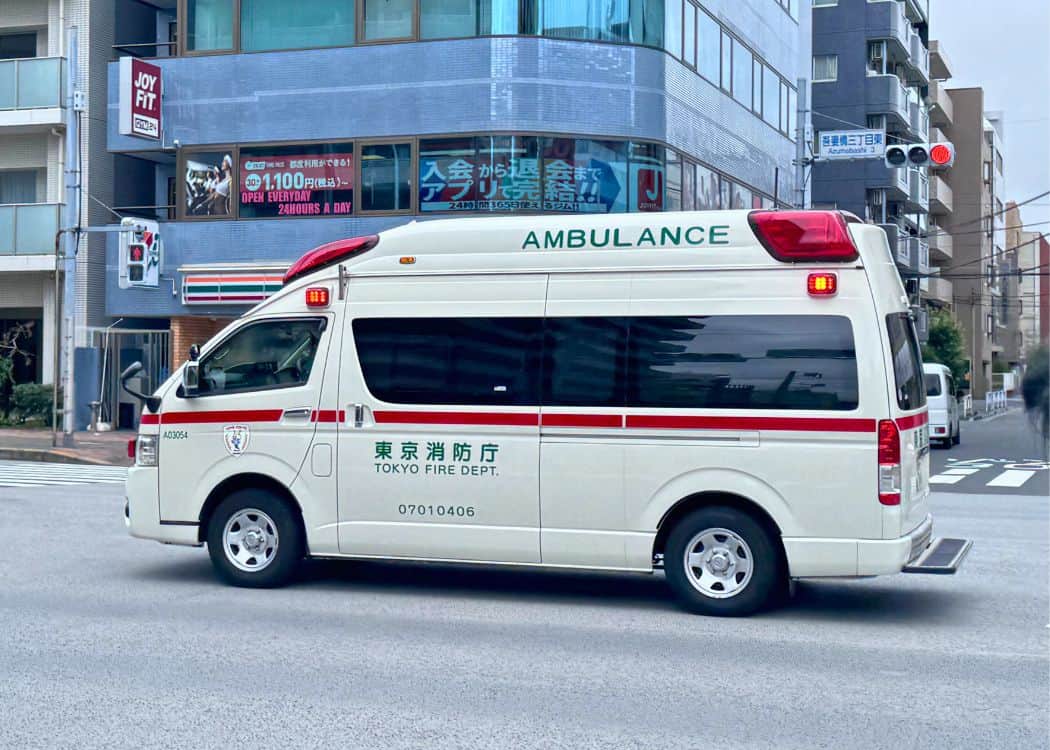
• (kay-sah-tsoo oh yohn-deh koo-dah-sah-ee) - Call an ambulance!
• Kyuukyuusha o yonde kudasai! (救急車を呼んでください!)
• (kyoo-kyoo-shah oh yohn-deh koo-dah-sah-ee) - I’m sick
• Kibun ga warui desu (気分が悪いです)
• (kee-boon gah wah-roo-ee des)
- I need a doctor
• Isha ga hitsuyou desu (医者が必要です)
• (ee-shah gah hee-tsoo-yoh des) - Where is the hospital?
• Byouin wa doko desu ka? (病院はどこですか?)
• (byoh-een wah doh-koh des kah) - Is there a pharmacy nearby?
• Kono chikaku ni yakkyoku wa arimasu ka? (この近くに薬局はありますか?)
• (koh-noh chee-kah-koo nee yahk-kyoh-koo wah ah-ree-mahs kah) - I have an allergy
• Arerugii ga arimasu (アレルギーがあります)
• (ah-reh-roo-gee gah ah-ree-mahs)
Basic Numbers in Japanese
This list covers the basic numbers which can be important in a variety of situations, like shopping, currency denominations, telling time, booking tickets, or even giving directions.

We memorized the numbers 1 to 5, and it came in super handy when letting vendors know how many snacks or drinks we wanted to purchase.
- 1
• ichi (一)
• (ee-chee) - 2
• ni (二)
• (nee) - 3
• san (三)
• (sahn) - 4
• yon (四)
• (yohn) - 5
• go (五)
• (goh) - 6
• roku (六)
• (roh-koo) - 7
• nana (七)
• (nah-nah) - 8
• hachi (八)
• (hah-chee) - 9
• kyuu (九)
• (kyoo) - 10
• juu (十)
• (joo)

- 50
• gojuu (五十)
• (goh-joo) - 100
• hyaku (百)
• (hyah-koo) - 500
• gohyaku (五百)
• (goh-hyah-koo) - 1,000
• sen (千)
• (sen) - 5,000
• gosen (五千)
• (goh-sen) - 10,000
• ichiman (一万)
• (ee-chee-mahn) - 50,000
• goman (五万)
• (goh-mahn) - 100,000
• juuman (十万)
• (joo-mahn)

Telling the Time in Japanese
Telling time might not seem like a priority when learning a new language, but it can be really helpful while travelling.
If you’re checking train schedules, joining a guided tour, or planning a visit to a museum or restaurant, knowing how to understand and ask about the time makes a big difference.
And while we really didn’t use these particular phrases too often, some time-related words and phrases are definitely good to know:
- What time is it?
• Ima nanji desu ka? (今何時ですか?)
• (ee-mah nahn-jee des kah) - Time
• Jikan (時間)
• (jee-kahn) - Hour
• Ji (時)
• (jee) - Minute
• Fun (分)
• (foon/pun depending on the number)
- Morning
• Gozen (午前)
• (goh-zen) - Afternoon
• Gogo (午後)
• (goh-goh) - Now
• Ima (今)
• (ee-mah) - Open at…
• …kara aiteimasu (…から開いています)
• (…kah-rah eye-teh-ee-mahs) - Close at…
• …made desu (…までです)
• (…mah-deh des)

Days of the Week in Japanese
Just like telling time, knowing the days of the week is surprisingly useful when you’re travelling.
If you’re checking a train timetable, booking a tour, or figuring out which days museums or restaurants are open, it really helps to know what day it is, especially since not everything runs daily.

- Monday
• Getsuyoubi (月曜日)
• (geh-tsoo-yoh-bee) - Tuesday
• Kayoubi (火曜日)
• (kah-yoh-bee) - Wednesday
• Suiyoubi (水曜日)
• (swee-yoh-bee) - Thursday
• Mokuyoubi (木曜日)
• (moh-koo-yoh-bee) - Friday
• Kinyoubi (金曜日)
• (keen-yoh-bee) - Saturday
• Doyoubi (土曜日)
• (doh-yoh-bee) - Sunday
• Nichiyoubi (日曜日)
• (nee-chee-yoh-bee)

Tips for Learning Japanese Phrases
Here are a few tips and tricks that the kids and I used to learn some Japanese before our trip:
Use Flashcards
Flashcards are perfect for memorizing basic Japanese words, especially for kids.
Brands like Berlitz and Usborne have excellent flashcard sets, and pairing them with workbooks or games makes language learning engaging and fun.
We used flashcards quite a bit when the kids were younger and trying to learn German.
Read the Japanese Phrases Out Loud
I always find it helpful to read the phrases out loud.
Working through this guide aloud helps with pronunciation and boosts confidence in speaking.

This is something I definitely have a hard time with – finding the confidence to actually USE the phrases that I have memorized!
Repeat each phrase several times to get a feel for pronunciation and rhythm.
Use a Language App
Language apps are great for practicing Japanese on the go.
My younger daughter has her own Duolingo account, which she uses to practice daily.

These apps have interactive lessons, quizzes, and games, making learning fun and manageable even with a busy schedule.
Listen to Japanese Podcasts, Radio, or Television
Immersing yourself by listening to podcasts, radio, or watching Japanese TV helps get accustomed to native speech speed and flow.
While I didn’t use this method for learning Japanese, I found it to be an excellent way to grasp cultural nuances and practical usage when I was brushing up on my German.
My Italian grandmother learned to speak English by watching soap operas on television!
Practice with a Native Speaker
Nothing beats practicing with a native Japanese speaker.
Conversing with locals can challenge you to use your skills practically and help you improve quickly through real-time feedback.
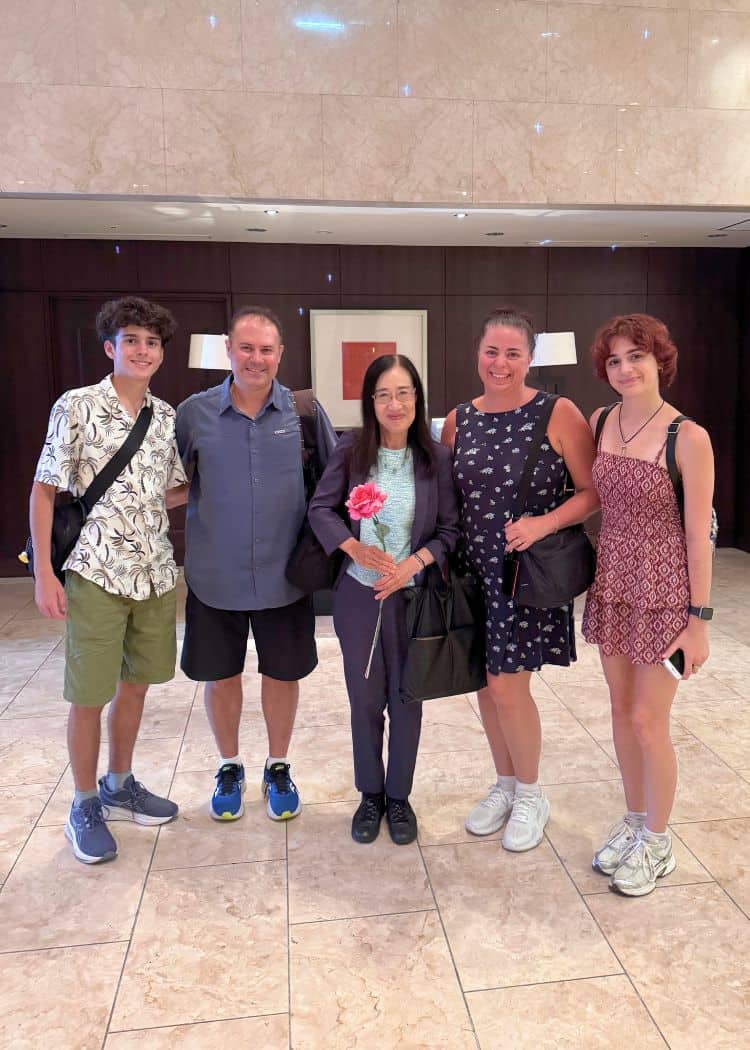
Since we really don’t know any Japanese speakers, this method was not possible for us to use before arriving in Japan.
But once we arrived, we tried to use our phrases as often as possible.
Final Thoughts
Wrapping up, I really hope you’ve found this guide handy. It’s amazing how just a few phrases can transform your travel experience.
Speaking the local language, even just a little, can open so many doors. And don’t worry about getting every word perfect – it’s the effort that counts.
Besides, Japanese people are known for their warmth and hospitality, and they’ll appreciate your attempts to speak their language.
Plus, it’s a great icebreaker and can lead to some of the most memorable moments of your trip. So, go ahead and give these phrases a shot.
Pin This Post for Later!

Related posts:
- What Not to Do in Japan: 20+ Mistakes Tourists Make (and How to Avoid Them)
- Best Japanese Phrases for Travel (With FREE Printable)
- Everything Travellers Need to Know About the Drinking Age in Japan
- 50+ Best Souvenirs from Japan You Need to Bring Home
- Ultimate Japan Summer Packing List for Travellers (With FREE Printable)
- 10 Things We Didn’t Like About Visiting Japan
